By now you should be starting to get an idea of the things you should be thinking about when putting together a meal. In this order, the big questions are:
What is my protein source?
Where are my nutrients (Those foods that keep you healthy, provide vitamins and minerals, fibre, keep your digestive system healthy – vegetables, namely.)
What is my source of good whole-food carbs and good fats? (See below)
Protein is your body’s building blocks. Without it you can’t build or repair muscle. It also keeps you full longer than any other food. You might find if you increase your protein intake, any cravings you have for sugar or processed food will disappear or abate a lot. You should be aiming for 30g of protein every meal.
You should be eating enough good carb to give you energy for daily life, training etc, but not enough to cause you to store body fat. You need fats to help you digest certain vitamins, to keep your brain and your nervous system healthy, but those fats should come from good sources. (See below)
Like I said in the previous section. the best diet is the one you will stick to. Nobody, not even me, is 100 per cent “good” all of the time. A diet that is too restrictive can trigger a massive binge. A realistic goal is 80/20; in other words, consistently getting 80 per cent of your food diet from good sources of protein, plenty of vegetables and whole good carbs with a little wiggle room for the odd treat.
You should also be prepared to devote a little more time to prepping and cooking food. Don’t think of this as a chore, but rather a labour of love, creating fab tasty dishes that will keep you satisfied
I regularly post pictures of my meals in our private Facebook group. They will always consist of a good source of protein (chicken, turkey or fish in my case), something green (broccoli, asparagus, courgettes, cabbage, kale) and a good source of carb – sweet potato, baby boiled potatoes, parsnips, carrots. In other words, the plate looks balanced.

TASTY: A well-balanced plate of grub
The pic above shows fresh tuna (protein), spring greens (nutrient-dense carb providing minerals and vitamins to keep me healthy) sweet potato mash (starchy carb for energy).
Keeping track of your food
I would strongly recommend you track your macros, using www.myfitnesspal.com.
You can also “friend” me (Paminator67) and I can have a look at your food diary and give you some pointers if you need them.
It is an excellent way of just keeping an eye on what you eat and also, because it will give you a set of macros to follow based on your goals, weight and energy expenditure, it means that if you do have a slip you can just fit it into your macros and limit the damage.
Obviously, the more you eat from quality sources of protein, veg and good fats, the more you can eat. If you try and fill your macros from foods I don’t recommend you eat, you will probably lose weight but you will still have that belly fat and muffin top. Remember what I said about trans-fats and bad carbs earlier?
Also, it will allow you to see how much you can actually eat and still lose weight, which might come as a surprise. A lot of us go from the one extreme to the other when we are trying to change our body shape. But if you try to lose body fat by restricting your calories too much, your body will simply jettison any muscle you have and keep your fat.
This is because muscle is “metabolically-expensive.” In other words, it costs a lot of calories to run it. If you are not putting those calories into your body, or enough of them, your body will slow down your metabolism and stop you building any muscle.
Muscle is live tissue. The more of it you have, the more your basal metabolic rate – this is the amount of calories your body requires to keep you alive, run your heart and lungs, skin, brain etc – goes up. In other words, more muscle means more fat burning, even at rest! A seriously underfed metabolism will also make you tired, hungry and give you cravings in a bid to make you eat more and conserve energy until you do.
Good sources of protein
Meat and poultry
Turkey breast
Turkey leg
Chicken breast skinless
chicken thigh
Turkey mince
Grass fed beef mince
Steak – sirloin, rump, rib-eye, fillet
Lean lamb mince
pork loin
lean pork chops
Unsmoked bacon
Cold meats – roast beef, roast chicken, roast turkey
Fish
Tuna – fresh or tinned
Cod
Haddock
Sea Bass
Mackerel
Salmon fillet
Smoked salmon slices
plaice
Prawns
Scallops
Tilapia
River cobbler
Halibut
Hake
Turbot
Dover sole
Trout
Protein shake: I use Whey 360 from my protein works ( https://www.theproteinworks.com/whey-protein-360) Whey protein can help stave off cravings, it’s great if you are rushing out in the morning and don’t have time from breakfast. It is also helpful after a workout if you don’t have time to eat.
Veggies/nutrients
All types of broccoli
Spinach
Cauliflower
Red, orange, green peppers
Onions – red white
Shallots
Asparagus
Courgettes
Fennel
Kale
Cabbage
Spring greens
Pak Choi
Green breans
Mangetout
Sprouts
Rocket
Watercress
Leeks
Spring onions
Courgettes
All lettuce – Romaine, little gem, Cos
Red cabbage
Chard
Mushrooms.
Sprouts
Tomatoes
Beetroot – raw or in vinegar
Good sources of starchy carbs/higher carb veg
( Some are better post-training, see asterisks)
Red onion
Beetroot
New potatoes (***Training days only.)
Carrots
Sweet potato
Butternut squash
Parsnips.
Rice – wild, basmati, white. (***Training days only)
Quinoa
Rice cakes (Use as snack, but only with protein like cold meat, tuna fish, smoked salmon, cottage cheese)
Mung bean/Edamame bean pasta (Explore Asia. Buy from Mattas, Holland and Barratt)
Organic gluten free porridge oats (mix scoop of protein powder in water or almond milk when you cook it)
Fruits (Anything in bold and italic should be eaten in limited quantities due potential fermentation in gut, leading to symptoms like bloating and trapped wind.
Bananas – (***post training preferably)
Berries: Blueberries, Raspberries, Strawberries
Apples (Post training only)
GRAPES
PEACHES
MELON
PINEAPPLE
Good sources of fats
(Everything in this list has to be meticulously measured! )_
Avocado (One portion a day, due to high fat content and preferably when your carbs are low in a meal. But as part of a salad, great!)
Avocado oil – cooking
Extra Virgin olive oil – dressings
Extra Virgin coconut oil – cooking
Macadamia nut oil – cooking
Organic butter
Brazil nuts
Macadamia nuts
Almonds
Walnuts
Cashews
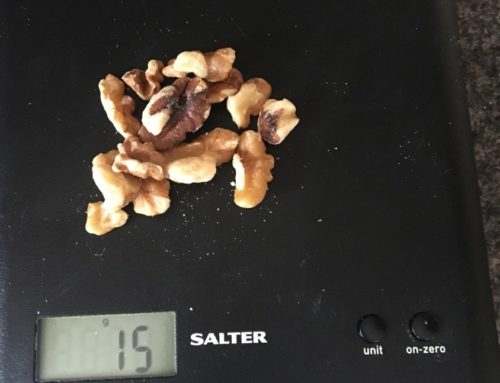
***Be careful with snacking on nuts. Always weigh and log them as they are very calorie dense because of the fat content.
Dairy
Only one serving a day from this list. This is mainly because dairy is not always well tolerated and can cause a gut problem, excess mucus production or exacerbate skin issues like psoriasis or eczema.
Feta cheese.
goats cheese
mozzarella
Cheddar
parmesan
greek yoghurt – Fage
Yeo Valley natural yoghurt
Cottage Cheese (very good source of protein, makes a good snack with rice cakes.)
Milk (almond milk is a good substitute)
Other
Eggs – whole or egg whites if you need to keep within your fat quota
Sweetcorn – great for adding flavour and just scratching that little “sweet craving” itch.
Adding flavour
Garlic
Ginger
Chillies
Organic balsamic vinegar
Kallo organic stock cubes
Cornish sea salt
Black peppercorns
All herbs – chopped fresh parsley and coriander really tastes nice in a salad, mint, rosemary, dill etc.
All spices e.g:
Cumin seeds and powder
Coriander Seeds and powder
Tumeric
Cayenne pepper
Wholegrain mustard ( organic)
English mustard
French mustard
Other foods to eat sparingly
(Again, although perceived as healthy, these legumes can potentially cause digestive issues, as well as raising oestrogen levels which can contribute to lower body fat storage)
Chickpeas
beans
lentils
peanuts/peanut butter
Things I would advise you to give up or remove from daily consumption
Breakfast cereals – despite clever marketing, the majority of breakfast cereals are just processed, sugary crap in a bowl which will leave you starving hungry and craving more of the same within about half an hour.
Pasta – pasta is a dry carb which offers very little in the way of nutrients. Can also trigger digestive issues, bloating, constipation because of the wheat content.
Bread – I love bread, but if want to get lean round my middle I seriously cut down or remove it from my diet. If you are prone to abdominal bloating or digestive problems, bread is almost certainly making that worse. If you’re not, a slice of good quality organic bread now and again with a good source of protein is okay. But if you’re having bread in the morning, don’t go on to have sandwiches for lunch and pizza for dinner!
Processed ready meals – Mass produced, poor quality food that should be avoided like the plague. Never let yourself get into a position where this is your only option. If you do this once, you should never do it again. First time it’s a mistake, second time it’s a choice.
Flavoured yoghurts – Full of sugar. Stick to plain yoghurt with berries, and half a teaspoon of honey if you need to make it sweeter.